Year One
Welcome to Year One!
We’re delighted to have you with us as we begin this exciting new chapter in your child’s learning journey. Year 1 is a special and important stage—it marks the start of Key Stage 1 and brings with it lots of opportunities for growth, discovery, and joy.

Throughout the year, we’ll embark on many engaging learning experiences together, helping children deepen their understanding of the world around them and build on the strong foundations developed in Reception.
One key milestone this year is the Phonics Screening Check, which takes place in June. You can support your child by listening to them read their book-bag books regularly and by watching the weekly phonics videos shared on Class Dojo. These small, consistent efforts at home make a big difference.
Please keep an eye on Class Dojo for regular updates about what we’re learning in class, as well as photos and messages about the fun, hands-on activities we’re enjoying.
We’re so excited to work in partnership with you this year—here’s to a fantastic start to Year 1!
Warm regards,
Miss McHale, Miss Phillips & Miss Darbyshire 
Beside the Sea
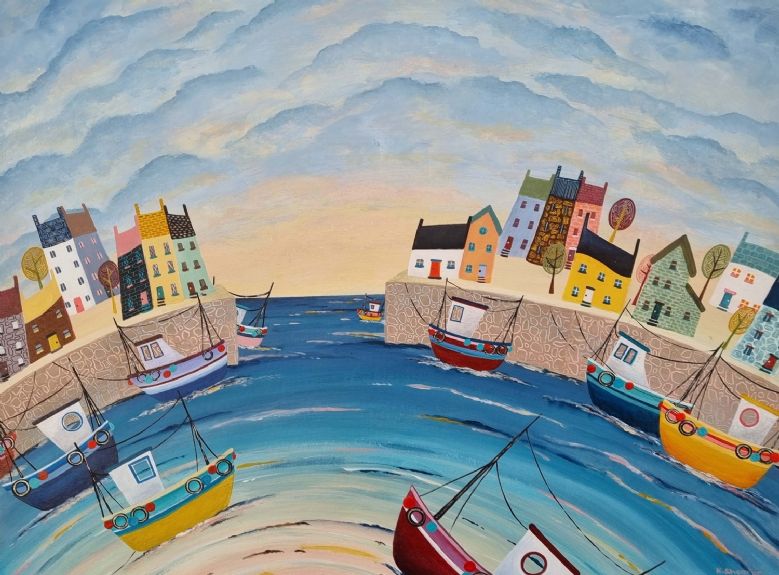
This half term, Year 1 will be continuing to develop their geographical knowledge by exploring the seaside and building on their previous learning about their local area and the United Kingdom.
In Unit 1: Our Local Area, pupils learned about their immediate surroundings. In Unit 2: The United Kingdom, they broadened their understanding to include all four countries of the UK. This new unit builds on that foundation by helping children use maps, photographs, and simple compass directions to explore seaside locations across the UK.
Throughout the unit, children will develop their understanding of both human and physical geography, while also strengthening their geographical vocabulary and map skills.
What children will learn:
Lesson 1 – What is the seaside?
Children will learn that the seaside is a place by the sea where people go on holiday. They will find seaside places on a map of the UK.
Lesson 2 – Physical features
Children will learn about natural features at the seaside such as beaches, cliffs, sand dunes, rockpools, and bays.
Lesson 3 – Human features
Children will learn about things made by people at the seaside, such as piers, lighthouses, promenades, fairgrounds, and caravan sites.
Lesson 4 – What do people do at the seaside?
Children will explore seaside activities like swimming, surfing, boating, building sandcastles, and visiting the fairground. They will also learn about seaside food like ice cream and fish and chips.
Lesson 5 – Planning a seaside trip
Children will use maps and simple compass directions (north, south, east, west) to plan a journey to the seaside.
Lesson 6 – Staying safe at the seaside
Children will learn important safety rules for the seaside, including what lifeguards do and what beach safety flags mean.
Key vocabulary
Children will learn and use words such as:
-
beach, coast, resort, holiday
-
cliff, bay, rockpool, sand dune
-
pier, lighthouse, promenade
-
compass, direction, north, south, east, west
-
safety, lifeguard, current
Reading in Year 1
In Year 1, your child will bring home two types of books each week:
-
A banded book matched to their phonics level to help develop decoding skills
-
A phonics book.
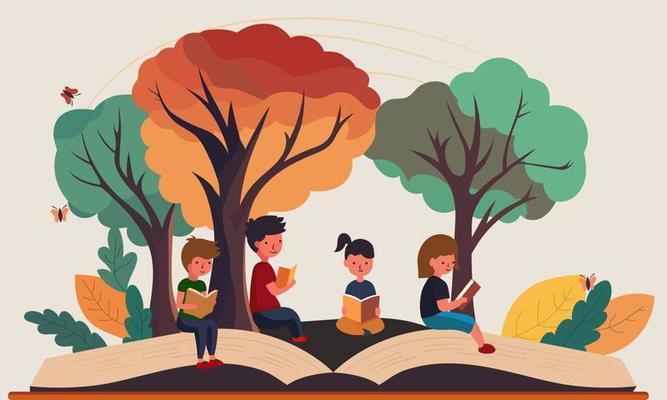
Reading with your child regularly at home plays a vital role in their phonetic development. Even just a few minutes a day can make a big difference in building their confidence and fluency.
Phonics Screening Check
During the summer term, Year 1 children will take part in the Phonics Screening Check. This national check assesses how well children can apply their phonics skills to read a range of real and pseudo (nonsense) words.
To support your child, we’ll continue to provide phonics activities in school and share weekly phonics videos and additional resources on Class Dojo. Continued reading practice at home is especially important—your encouragement and support make a huge impact!
Homework
Each Friday, your child will bring home their homework book, which includes:
-
A weekly spelling list on the front cover to practise throughout the week
-
Activities designed to reinforce classroom learning
Spelling tests will take place each Friday. Please return completed homework by the following Wednesday so that we can celebrate and review your child’s efforts together.